|
|
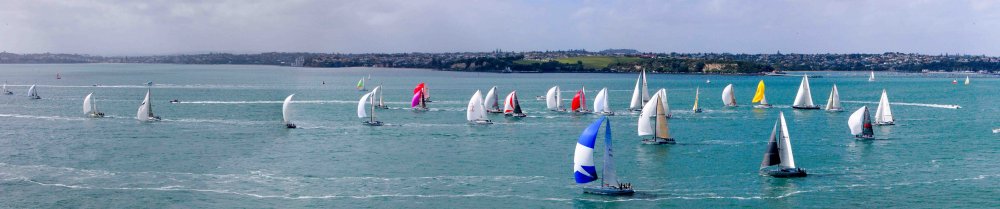
Set SailSailing is addictive, in particularly racing. It’s like any sport that combines physical performance with mental strategy, where the more the more time you spend on the water, the more you realise how little you really do know. A sailing friend of mine once compared yachting to golf. He said that golfers don’t so much get hooked on hitting a white ball up the paddock with a long metal stick, but they are lured back to the challenge of perfecting the art of the swing and the enhanced judgement, improved perception and mental stimulation it brings. The same goes for sailing, he said. It’s the actual harnessing of breeze, tide and boat that lures you in, even more than the pure adventure of being out on the water. But any salty sea dog, young or old, will inform you there is something about rounding a mark and hoisting a spinnaker to create the perfect set, romping across the harbour on a lively reach with the breeze in your face and the taste of salt on your lips that lures you back. More than anything else, a great aspect of sailing is the camaraderie with my fellow crew. Young and old, over the last few years I have been privileged to sail with those from all walks of life whom I would probably never get to know if we didn’t share a passion of sailing. We have an absolute ball, sharing the intensities of racing while out on the course and reliving them over a rum and coke back at the marina afterwards. Also, it’s a sport where even those at top level say they never stop learning. Yachting is so intricate, with so many variables, that experience – and years of it – is the only way to get really good. But it is also relatively easy to pick up the basics, especially in New Zealand where it is just so easy to set sail. How do I get started? Even if you haven’t set foot on a yacht before, it’s no drama to roll up to your nearest marina or yacht club and ask around until you find somebody who will let you aboard their boat, either as a crew member or on a learn-to-sail course. There are two basic types of sailboats that you might want to try out. Dinghies or centreboarders are normally designed for one or two people. You will find yourself right down at water level and master of your own destiny with tiller in one hand and mainsheet in the other. This is definitely where it’s at if you want to become a good sailor in the long-term or if you want to go to top level in an individual sport. You learn quickly because, when you get it right, it feels great, and when you get it wrong, you capsize. A dinghy course hosted by your local sailing club is the perfect opportunity for beginners to grasp the basic concepts of sailing within a safe environment, where you will have a coach boat available to help out if needed and give you some pointers along the way. It takes a little persistence at first, and be prepared to get wet (a lifejacket is mandatory, a wetsuit recommended). From there you can buy your own boat (starting at as little as a few hundred dollars or a second-hand dingy on a beach trolley) or go for one of the class boats, such as a Europe or a Laser, and compete in regattas with sailors of all ages and skill levels. These boats can even take you to the Olympics, if that’s where you decide to aim. Another option is to join up as sailing crew on a bigger boat - a keeler or multihull It’s pretty much guaranteed that once you find a crew that you get on well with, you will be in hot demand as skippers have the job of filling up their boats with anywhere between five and 16 people every time they go out sailing. Also, there is often room for at least one or two extras whose prime contribution to the boat is to be moveable ballast. This is a great way to learn the ropes from the beginning (it’s how I started), as you can watch the crew going about their jobs and pitch in when you feel ready for it. If you haven’t sailed before, make sure your skipper knows that, and ask somebody to show you how the winches work and to explain some of the basic manoeuvres to you so that you have got an idea of what is happening. A handy hint for first-timers is to wear some kneepads, as the deck can be hard on your bones when you scramble across it time and time again. If you would simply like a taste of sailing, then take a short cruise on a charter boat such as NZL40 or 41. Based at Auckland’s Viaduct, these yachts are genuine hi-tech America’s Cup racing boats, giving you the opportunity to have a go at helming, trimming the grinders, or just relaxing and enjoying the scenery. Check around at your local marina, as there will be charter yachts of some sort available in most seaside towns. But if you do find yourself into keelboat racing, then you will have the best social fun on weekday evenings in summer and on weekends in winter. Wednesday has traditionally been the day for summer racing and many clubs put on competitive keelboat regattas. The HSBC Coastal Classic is the famous Auckland to Russell yacht race, it generally takes around 24-hours and the night sail, while exhausting, is something every sailor needs to experience. Friday afternoon rum races (year round) are a big favourite too. Relaxed and chilled out, they offer the perfect way to wrap up the working week and a great way for new sailors to learn the ropes, without too much pressure. One of the most unusual events on Auckland’s sailing calendar is the Carson’s Challenge. A two-day team event with a twist, it involves sailing, running and mountain biking on the inner islands of the Hauraki Gulf. It attracts athletes from all around the country and is attended by the likes of Steve Gurney each year as well as plenty of keen enthusiasts. It is a simple format with some hilarious outcomes revealed at the end of event prizegiving. Many clubs now host women’s-only racing, and if you are female and you want to learn how to sail this is the perfect opportunity. In Auckland, Tuesday night racing at the Ponsonby Cruising Club, ‘The Ponce’, is packed with female crews slogging it out on competitive yachts and many great friendships have been formed at the clubhouse afterwards. -- What Kind of Sailor Would You Be? The intense physical effort and battle of mind, body and boat against competitors and the elements is enough to get many a sailor’s heart racing. For many who take part in the sport it is a unique, personal challenge and an experience that stays with them for life. Use the following guide to determine what position on the boat you might be suited to: BOW/FOREDECK: You are agile and co-ordinated. You don’t mind the idea of hanging on to the boat by your toes while you pull a wet sail back onboard. MAST: You are strong and mobile, your prime job is organising and hoisting sails and assisting the bow person. MIDSHIPS/KEYBOARDS: You are fit and have good upper body strength for grinding winches. You are also a strong communicator, as you often need to pass important information from the front to the back of the boat. HEADSAIL: You will have moments of action followed by long periods of concentration, so you need to be patient and attuned to the breeze. MAINSAIL: Moderate physical strength is important, as is the ability to feel the breeze and to communicate with the person steering the boat. HELM/SKIPPER: Concentration and focus are all important here, as is experience. You must be able to block out distractions and take advantage of every windshift on the course. Sail the Web Don’t be put off by thinking you don’t know anyone that sails. Here are some contact details for people and organisations that will happily set you up on a boat. www.yachtingnz.org.nz For yachting info and links to most of the yacht clubs and courses in New Zealand. www.pcc.org.nz The Ponsonby Cruising Club at Westhaven, who organise learn to sail courses, women’s racing, and who can put you in touch with skippers in need of crew. Their Thursday afternoon rum races, year round, and Fridays in summer, are terrific for new comers. www.pennywhiting.com Penny Whiting is the mother of New Zealand yachting and runs the famous Penny Whiting Sailing School Updated June 07 |